Plastic products are very common in our daily life, but the convenience brought by plastic products at the same time people clearly recognize the harm of plastic products to the environment. With the development of human science and technology,
bioplastic products emerge at the historic moment. So why are
bioplastic products worth more than conventional plastic products? In fact, if you want to be truly sustainable, don't use disposable items, just bring your own. However, people should recognize that bringing your own food service packaging is not always convenient or practical, and in those cases, disposable food service supplies are the best solution. They provide a hygienic and cost-effective way to provide food and drink to large numbers of people.
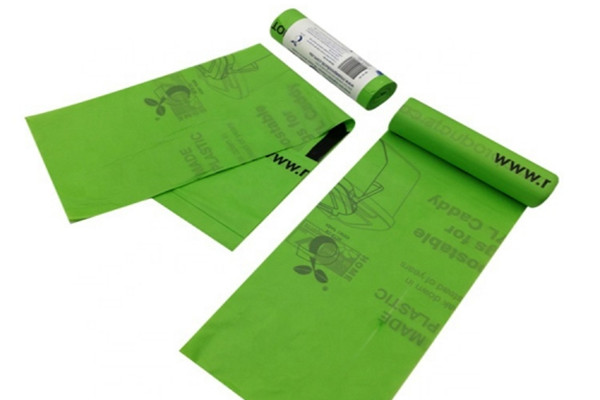 About bioplastic products
Independent of the scrap disposal option of the product, if there is a choice to buy disposable products made from limited fossil resources or products made from abundant fast renewable resources, we suggest that products made from renewable energy are the better choice. Bioplastics -- plastics made from organic sources such as sugar cane, algae or plant starch -- really only need the right source of carbohydrates.
Bioplastic products can be composted or recycled and have exactly the same properties as traditional plastics.
The most common type of greenwashing associated with plastic products are items labeled "biodegradable" or "biodegradable." Unlike bioplastics, biodegradable plastics are traditional plastics derived from fossil sources and their additives can cause the plastic to shatter. Marketers try to legitimize their claims by stating that they adhere to certain testing guidelines. However, mentioning that they have been tested according to a specific test method that does not contain a pass or fail criterion does not prove that the product is biodegradable.
The main problem with these products is that there is no conclusive evidence that microscopic plastic fragments can fully biodegrade. We are now in a situation where these fragments could be ingested by microbes and end up in the food chain. It does not solve the problem of single-use packaging using fossil resources, and it is certainly not a solution to polluting the environment. All they do is provide consumers and brand owners with a false sense of sustainability sexiness.
Apart from the fact that they are
biodegradable, they all have one thing in common, they all claim to be "100% biodegradable" and I think if you don't know better and believe everything you read, you'll feel like you're making a good choice. Of course, what happens to a product at the end of its life cycle is important, but just as important are the resources required throughout the product's life cycle. We should take inspiration from nature and seek to create products using a closed-loop approach that selects renewable biological resources that rapidly biodegrade and return nutrients to the system at the end of their useful life.
Future
bioplastic products will be made from non-agricultural ingredients, and there are already many innovative bioplastics made from rich streams of organic "waste", including sewage, blood and algae, to name a few. Bioplastic technology is still in its infancy, and it's certainly not perfect, but we shouldn't let the perfect be the enemy of the good. By supporting these technologies now, we are able to develop and continue our journey to produce truly
sustainable packaging.
John Dickson
Paper products developer
Focus on developing paper product research solutions and analysis reports
Click to contact me

 Paper Package
 Paper Package
 Biodegradable Tableware


 4534
4534 13
13





 (Saudi Arabia) Submit Demand 45 Minutes Ago
 (Australia) Submit Demand 25 Minutes Ago
 (United Kingdom) Submit Demand 36 Minutes Ago
 (Sweden) Submit Demand 15 Minutes Ago