Biodegradable
disposable paper food containers became popular. Everyone is becoming greener these days, especially when it comes to eating out and
bringing home food containers. With styrofoam banned in cities across the country, we're finally realizing that maybe they're not as good as we once thought. Fortunately, more and more green options are now readily available in the food service industry that are good for business and good for the planet.
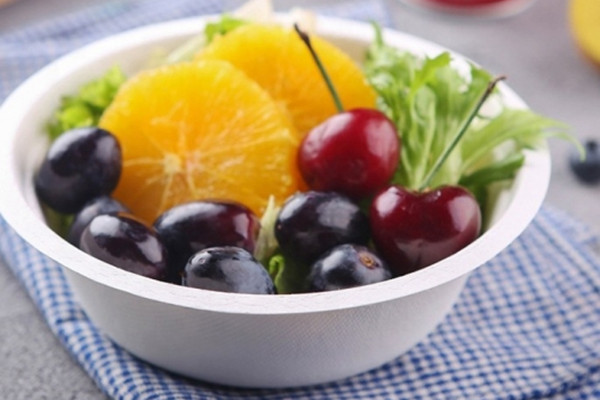 Disposable paper food containers made from bagasse
One of the cutting-edge materials used today to replace styrofoam for
disposable paper cutlery is bagasse, a by-product of the sugar cane refining process. Colloquially, bagasse is what is left after sugar cane stems are crushed to extract juice. Since bagasse comes from Earth, nature easily converts it into simple, stable compounds that can be absorbed back into the ecosystem.
One of bagasse's many attractive qualities is that it is both biodegradable and compostable. Biodegradable means the product breaks down into water, carbon dioxide and biomass in a short time. When something is "compostable," it means it's made up of organic material that breaks down in a composting system or landfill.
Bagasse biodegradable food containers were quickly recognized as an excellent environmentally friendly alternative to traditional foam clamps. Bagasse disposable tableware, including plates and biodegradable food containers, can be lined with cornstarch based films known as PLA (polylactic acid). The PLA liner is a transparent sheet that acts as a complete moisture and grease barrier, protecting the container and making it resistant to any and all types of food.
Green facts about disposable paper food containers
Americans use and discard more than 2.5 billion styrofoam cups each year.
Styrofoam doesn't break down easily, and some studies suggest it may release chemicals when it gets wet, contaminating our precious water supply. It takes up more space than paper in our landfills. While it is possible to recycle styrofoam, it is very expensive and many recycling plants do not accept it. Polystyrene foam cannot be recycled to make new polystyrene foam products. It can only be used to make other products, such as fillers.
Bagasse requires less water and energy to produce than styrofoam, paper and recycled paper. By making bagasse on styrofoam and paper, less carbon dioxide is emitted. While trees can take up to 30 years to mature, sugar cane takes just a year, making it a very renewable resource.
Green thinking and a shift to more sustainable resources are crucial. It's easier than ever to go green when eating out or ordering food to take home.
For your picnics and social events, it's now possible to buy organic, compostable and environmentally friendly versions of all types of tableware products, including disposable plates, cups, bowls and trays as well as takeaway containers -- made from the renewable resource bagasse.
There's never been a better time to go green -- especially when you're eating! This is your earth. It's worth it! Hyde is a leader in the research and manufacture of environmentally friendly "green" products for the food industry. Hyde's cutlery is disposable, compostable and biodegradable. In fact, the
disposable paper food containers we provide are made from a natural and sustainable sugarcane by-product called bagasse. For more information on Hyde's line of
eco-friendly bagasse tableware, visit the website home page,please.
Eric Hartell
Paper product monitor
Engaged in the quality and safety supervision of paper products, monitor product quality and safety risk
Click to contact me

 Paper Package
 Paper Package
 Biodegradable Tableware


 5115
5115 16
16





 (Saudi Arabia) Submit Demand 45 Minutes Ago
 (Australia) Submit Demand 25 Minutes Ago
 (United Kingdom) Submit Demand 36 Minutes Ago
 (Sweden) Submit Demand 15 Minutes Ago