Plastic cutlery, biodegradable cutlery, and cornstarch cutlery are all
disposable dishes, so what are the main differences between these
disposable cutlery?
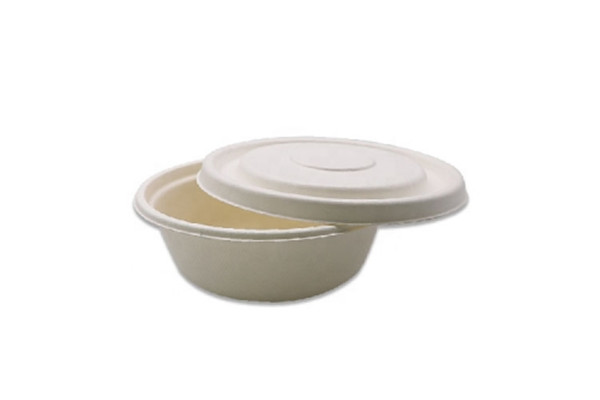 Different main components
1. Traditional plastic tableware: raw materials are oil, belong to non-degradable plastic.
2.
Cornstarch tableware: the main components are carrier resin, corn starch, coupling agent, infiltrating agent phase solvent and other low molecular composition, which also mixed with part of the plastic, to enhance the hardness of tableware.
3.0Biodegradable tableware: plastic as the main component, adding starch, photosensitizer and other substances made.
4. Biodegradable paper pulp molded tableware: the materials are sugarcane pulp, straw, PLA+PBAT and other materials.
Characteristics of different
1. Traditional plastic tableware: safe and stable, will not release toxic substances, does not react with water, greasy other food; Good strength and toughness, good dimensional stability, can withstand general mechanical washing, fall resistance and not prone to brittle fracture. High temperature resistance (100℃)
2. Cornstarch tableware: harmless to human body because it is refined from corn starch and other environmental protection materials, does not contain harmful substances to human body, can rest assured long-term use; Zero pollution products buried in soil, at the appropriate temperature, 90 days can be degraded to form carbon dioxide and water, the soil and air do not cause pollution; High quality products have good tightness, water resistance, oil resistance, anti-penetration, and good high temperature and low temperature resistance, suitable for refrigeration, refrigeration, food preservation, microwave heating, etc.
3. Biodegradable tableware: natural degradation conditions are more demanding products, materials PLA, PBAT, PHA and other materials, to a certain extent to replace non-biological plastics, with good biocompatibility and bioabsorbability, good heat resistance. Degradation conditions are harsh, most products can not be completely degraded.
4. Biodegradable pulp tableware: the materials are sugarcane pulp, straw, PLA+PBAT and other materials, which is the perfect substitute for plastic under the policy of plastic ban. It has the characteristics of buffering, anti-pressure and shockproof, and will not produce any garbage residue and pollution. It is an environmental protection container from nature.
Different utility properties
1. Traditional plastic tableware: traditional tableware has good strength and toughness, good dimensional stability, can withstand general mechanical washing, fall resistance and not prone to brittle fracture, strong practicality. But easy to cause white pollution, irreparable damage to the environment, the state has issued a corresponding ban plastic order.
2.Cornstarch tableware is mainly divided into two kinds on the market, which are degradable and fully degradable.
The main ingredients of degradable tableware are modified starch + PP as the main material; One is the main component is modified starch +PLA. Consumers use discarded, reduce carbon emissions when burning consumers use in natural conditions (sunlight, rain, microorganisms, animals, etc.) to accelerate the decomposition of plastic into pieces, particles, reduce the impact of plastic on the natural environment.
3.Biodegradable tableware
Biodegradable tableware is all converted into carbon dioxide and water in the natural environment, and the degradation cycle in the natural environment is generally about 4 months. Fully degradable tableware is theoretically zero harm to the natural environment, originating from nature and returning to nature. However, the degradation conditions are harsh and the material cost is very high.
4.Biodegradable tableware
Sugarcane pulp, straw, PLA, PBAT and other materials. Sugarcane pulp is a natural, highly concentrated fibrous feedstock. The product can be fully degraded within 90 days in the natural state, and can be composted for home and industry. The main components after degradation are water and carbon dioxide, without any waste residue and pollution. Through the most advanced technology, today's sugarcane pulp tableware can basically achieve various application scenarios of traditional meal boxes.
Hyde offers
disposable dishes and paper products in a variety of materials, including biodegradable corn starch, sugar cane and PLA tableware. We are specialized in providing biodegradable tableware enterprises. If you want to know more about
biodegradable products, please visit our website and we will keep you updated.
Carlos Gomez
Paper products developer
Professional development and testing of packaging product specifications, improve testing efficiency
Click to contact me

 Paper Package
 Paper Package
 Biodegradable Tableware


 5109
5109 6
6





 (Saudi Arabia) Submit Demand 45 Minutes Ago
 (Australia) Submit Demand 25 Minutes Ago
 (United Kingdom) Submit Demand 36 Minutes Ago
 (Sweden) Submit Demand 15 Minutes Ago