Waste is just part of the restaurant business, and a lot of food waste has always been part of their operating system. In recent years, however, the restaurant industry has realized that waste is over and green is on the rise. Industries with one of the largest carbon footprints are now moving towards sustainability and making their practices more environmentally friendly.
Bagasse tableware is an easy way to make your restaurant greener. More and more
biodegradable tableware is used in the catering industry.
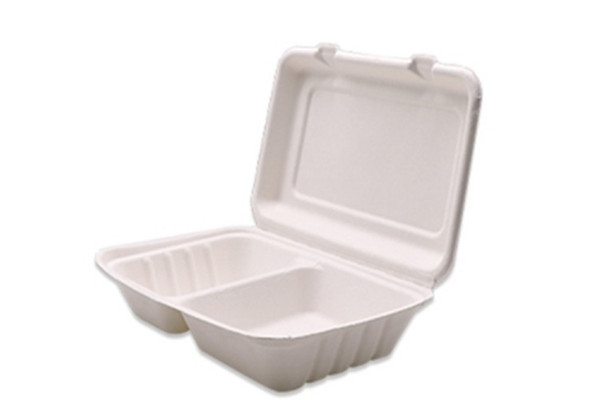 Bagasse tableware realizes green environmental protection
Another way to go green is not just with the restaurant, but with the customer. Styrofoam containers have ruled the industry and polluted our planet for as long as most of us can remember, but now there are alternatives! Many restaurants are opting for greener options instead of plastic and styrofoam to go green with
bagasse tableware to go. Many companies are now helping restaurants go green with disposable tableware that is compostable and biodegradable in proper composting facilities. One material commonly used in compostable tableware is bagasse. This is a by-product of refined sugar cane. This is what's left over after almost all the liquid has been squeezed out of the sugar cane.
Bagasse tableware is compostable
Bagasse tableware is 100% biodegradable and compostable. Compost is nothing more than decaying animal and plant material that has been aerobically decomposed into very rich black soil. This rich soil is unbeatable and ideal for a variety of uses, including as a soil conditioner and fertilizer.
Composting has many benefits, the main one being, of course, that it helps the environment. When we compost waste such as coffee grounds, eggshells and fruit peels, it breaks down and actually returns to the soil, thus helping to make it more nutritious and healthy for future planting. The process also helps eliminate the amount of compostable waste that is sent to landfills, where it can sit for much longer than is acceptable.
As compostable products decompose, they release rich nutrients into the soil. In a composting facility, the products decompose in a few months. For proper decomposition, compostable products must be sent to a composting facility or home compost machine, although home composting takes longer and more work than sending trash to a composting facility.
Compostable products should not be placed in recycling bins as they can contaminate the recycling process.
There are more compostable products on the market than ever before, including disposable tableware and tableware. Many of these products are made from bagasse (refined sugarcane fibre) and PLA (polylactic acid), both of which are fully compostable.
Composting doesn't take much effort. If you plan to compost at home, the hardest part is the initial start-up. If you plan to bring your trash to the composting facility, everything will be taken care of for you! Composting has never been easier, and while it may require more work than traditional trash, it's your earth and worth it! For more information on the environmentally friendly
bagasse tableware line, which includes bagasse plates and other
biodegradable food containers, visit the Hyde website for more solutions.
Jeff Manion
Product tester
In-depth market research of dialysis paper products, only to get your approval
Click to contact me

 Paper Package
 Paper Package
 Biodegradable Tableware


 3343
3343 11
11





 (Saudi Arabia) Submit Demand 45 Minutes Ago
 (Australia) Submit Demand 25 Minutes Ago
 (United Kingdom) Submit Demand 36 Minutes Ago
 (Sweden) Submit Demand 15 Minutes Ago